XShield
For each ministry
From policy memory to a learning State
XShield is the sovereign intelligence layer in every Quantum product. It helps each ministry map the real situation, reimagine the policy, accelerate delivery and learn from each result. The target is one-to-one policy: the right pathway for each person, under common rules.
Four steps toward one-to-one policy
Each step uses the same sovereign intelligence layer. The ministry decides; XShield compares, explains and remembers.
- 01
Map
Understand the real situation
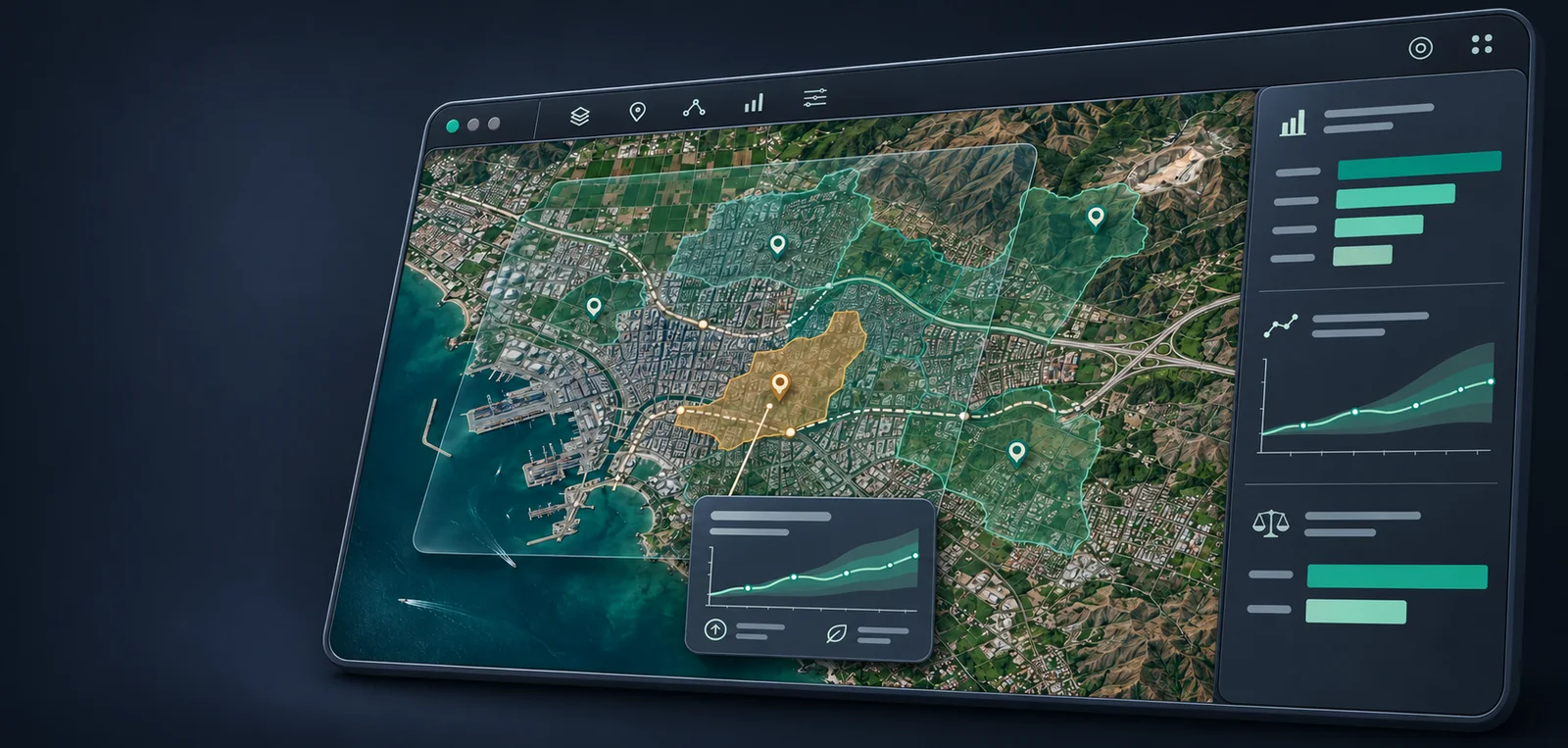
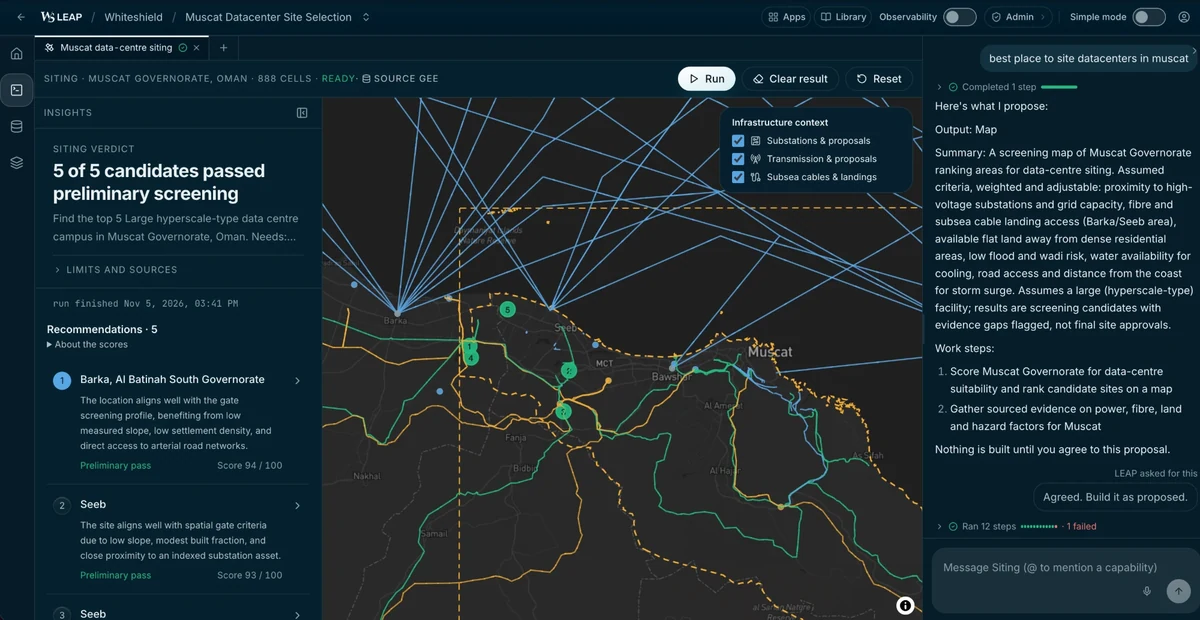
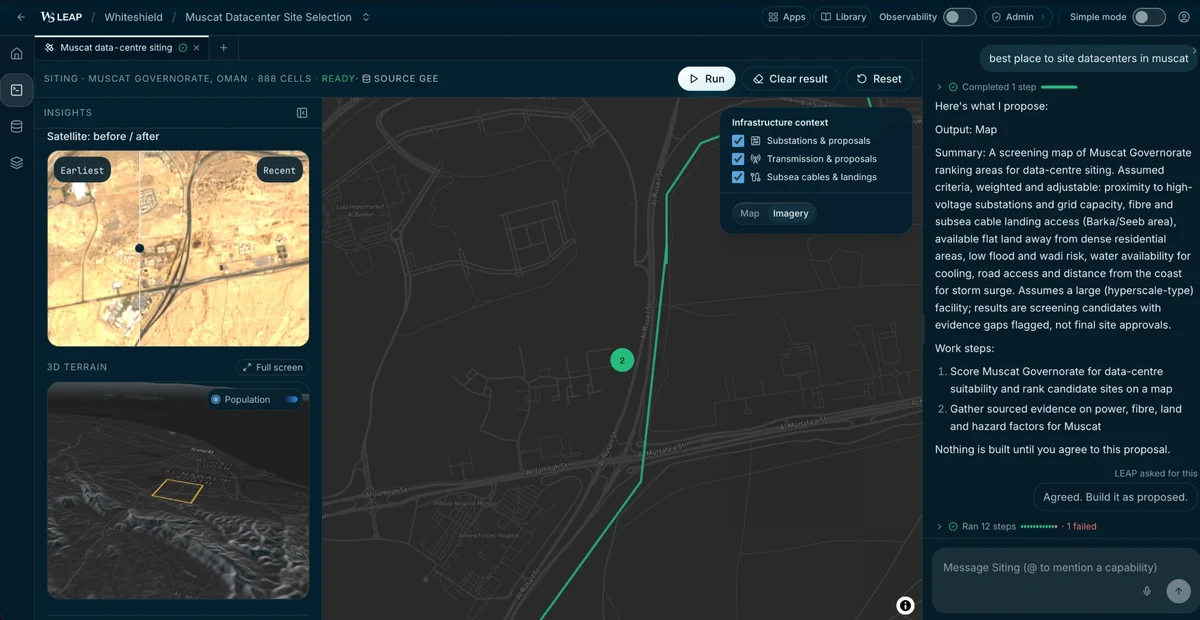
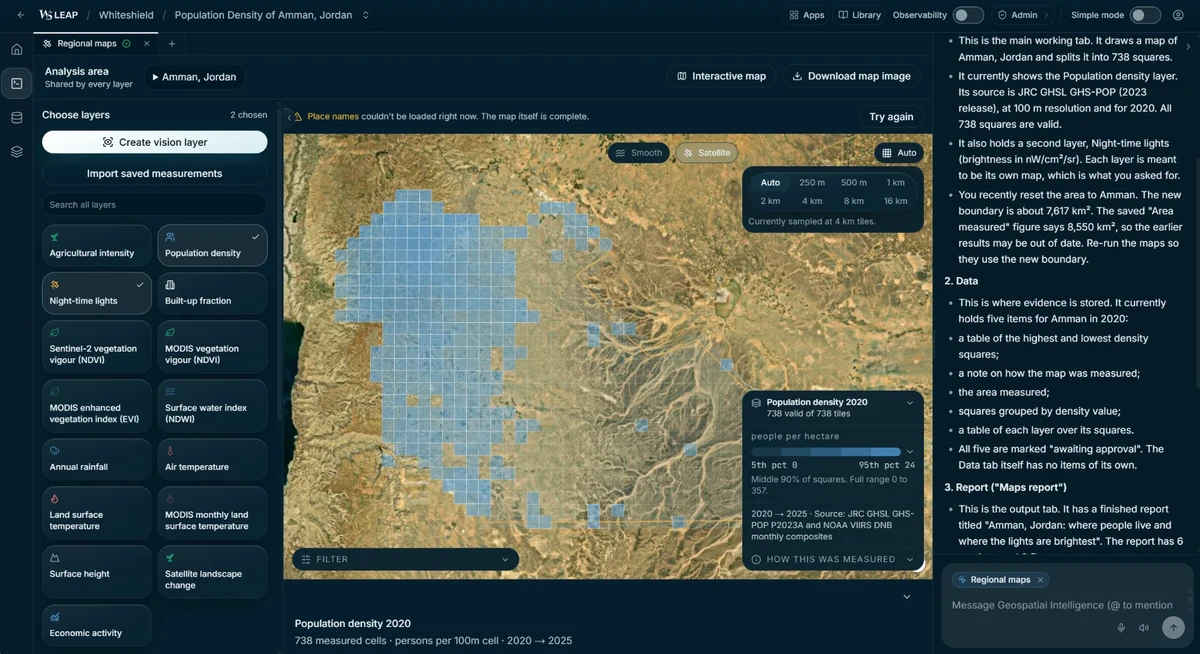
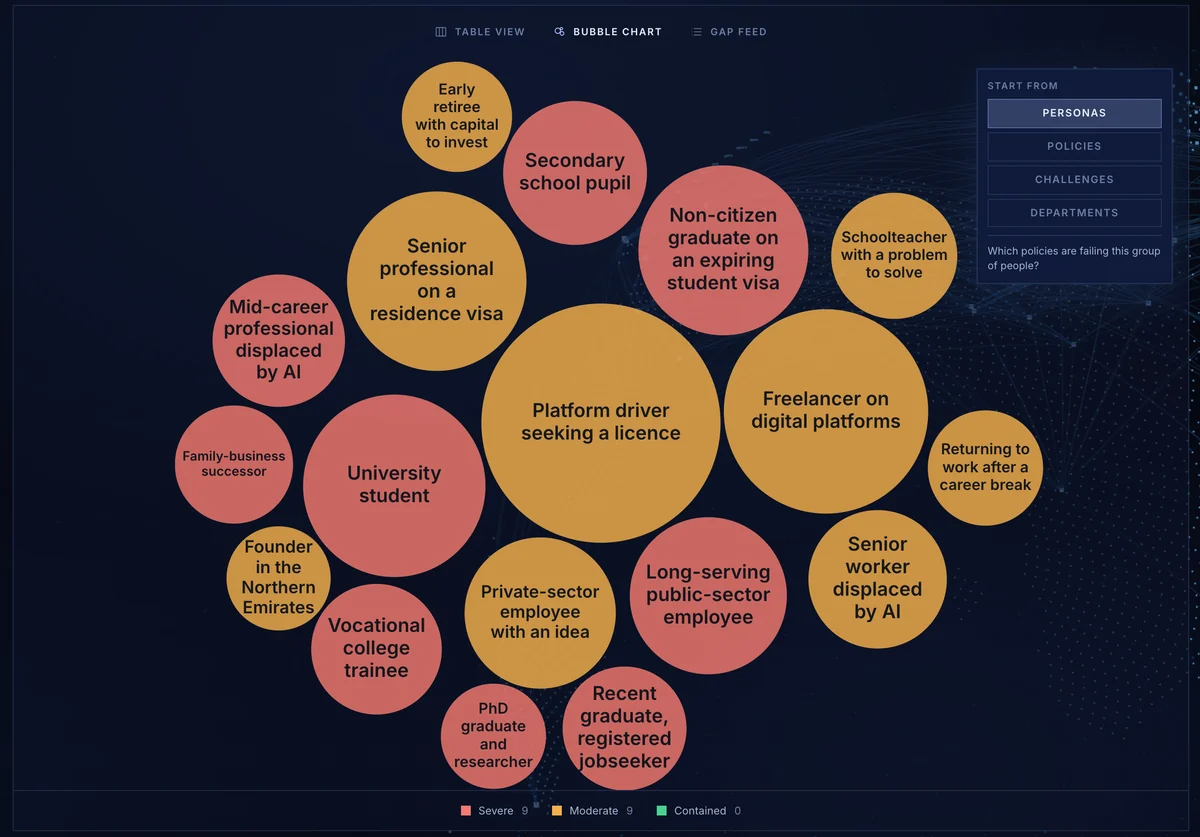
We map the real situation of people and rules, and find the constraint.
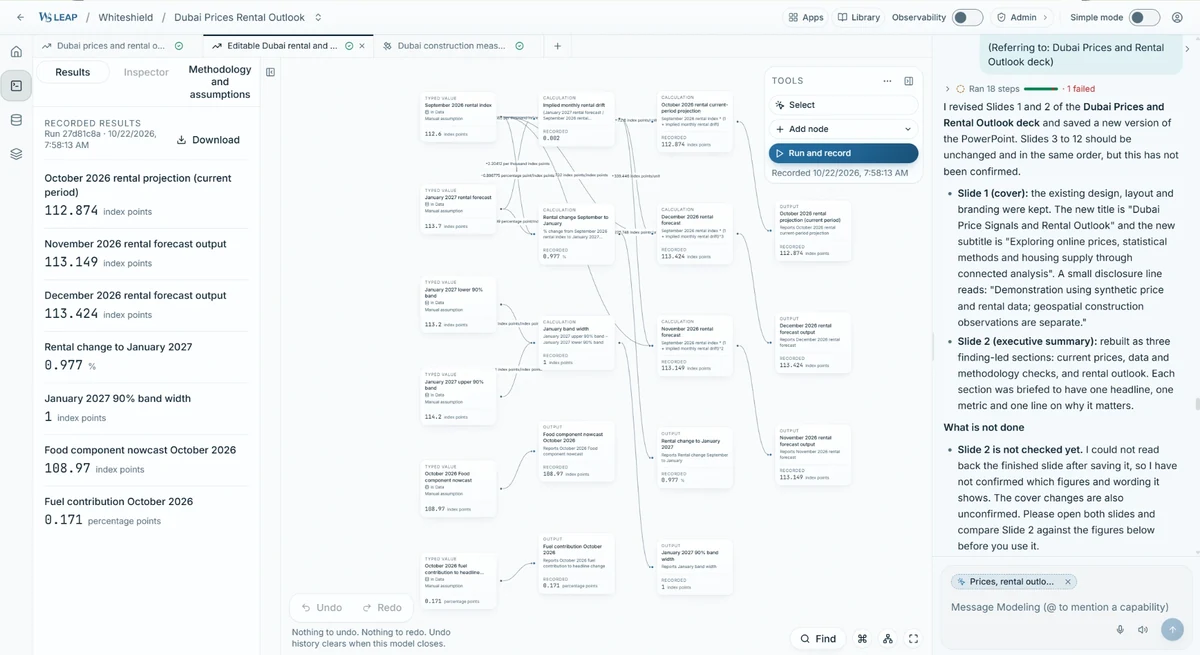
What it usesSatellite and drone images, Cameras and sensors, Registers and permits, The ministry's own data
- 02
Reimagine
Redesign the policy and the pathway
We redesign the policy and the pathway.
What it usesMemory Library, Policy Periodic Table, Options compared
- 03
Accelerate
Authorise and deliver
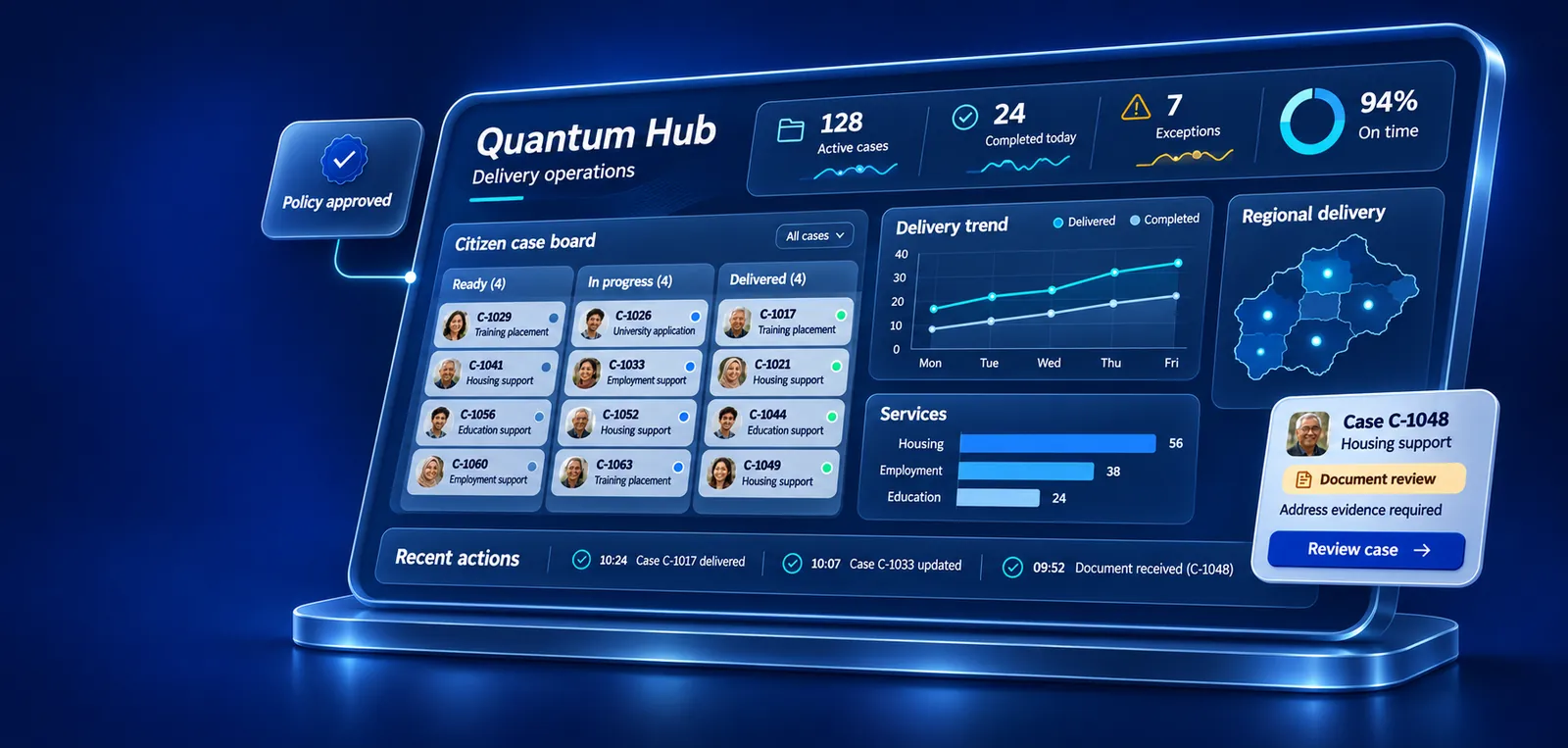
The ministry approves the choice. The four products deliver it.
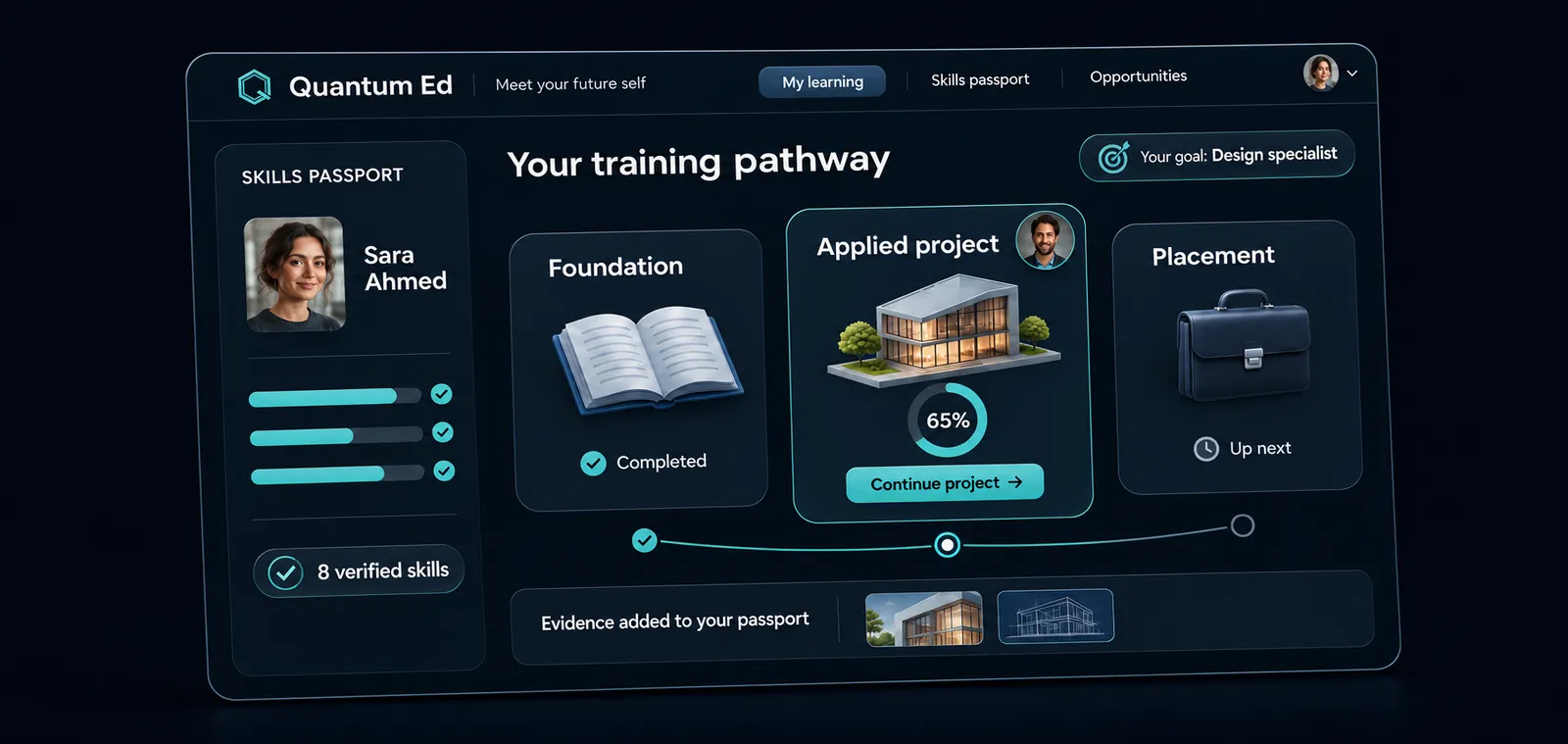
What it usesQuantum Leap, Quantum Navigator, Quantum Hub, Quantum Ed
- 04
Learn
Measure, review and remember
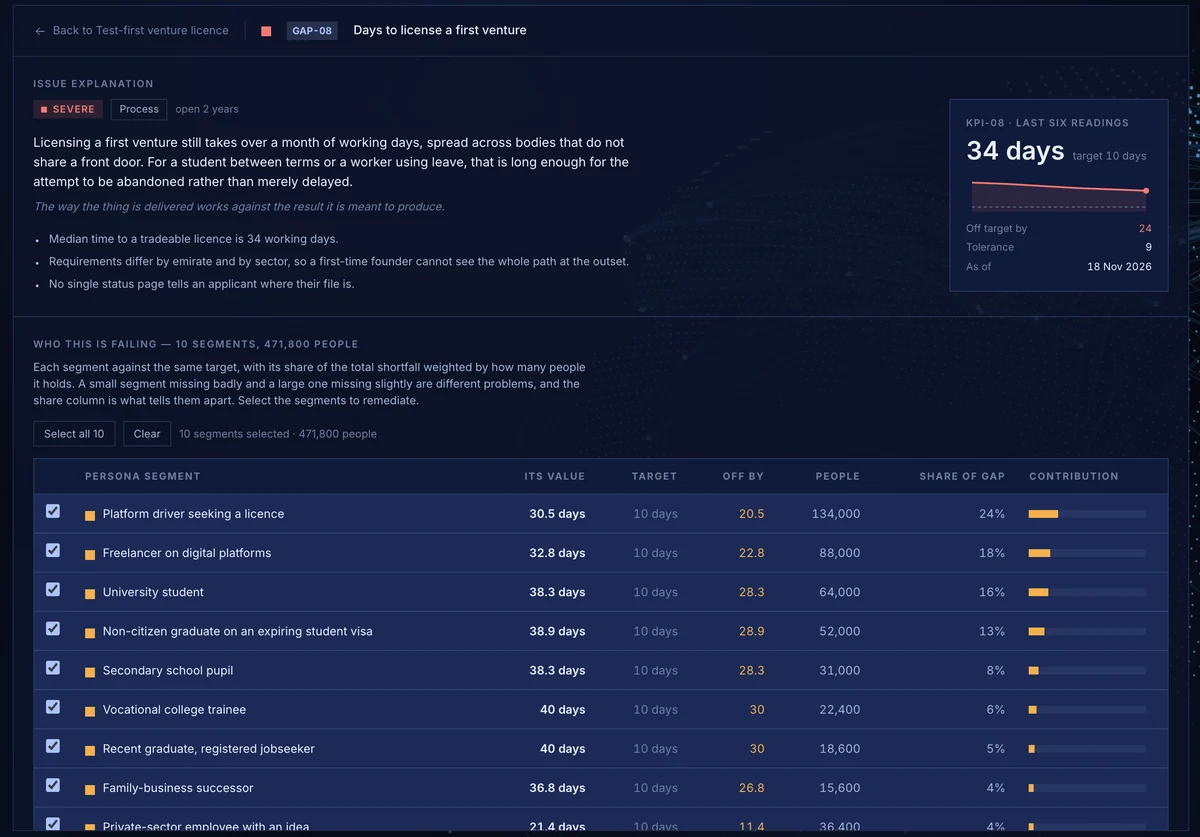
We measure the result and its cost. The lesson updates the map.
What it usesOutcome Ledger, Six PLANIC questions, The loop
Reviewed local learning improves the next diagnosis.
Five capabilities in one layer
Each ministry has its own XShield instance. It holds five capabilities, and the four Quantum products read all of them.
- Living MapThe Sovereign Intelligence Policy GraphThe current situation and how it connects: objects, data, relationships, rules and permissions. Each part keeps its source, owner and date.
- Memory LibraryDecisions, precedents and lessonsWhat the ministry decided, tried and learned, with the evidence and the conditions under which a lesson applies.
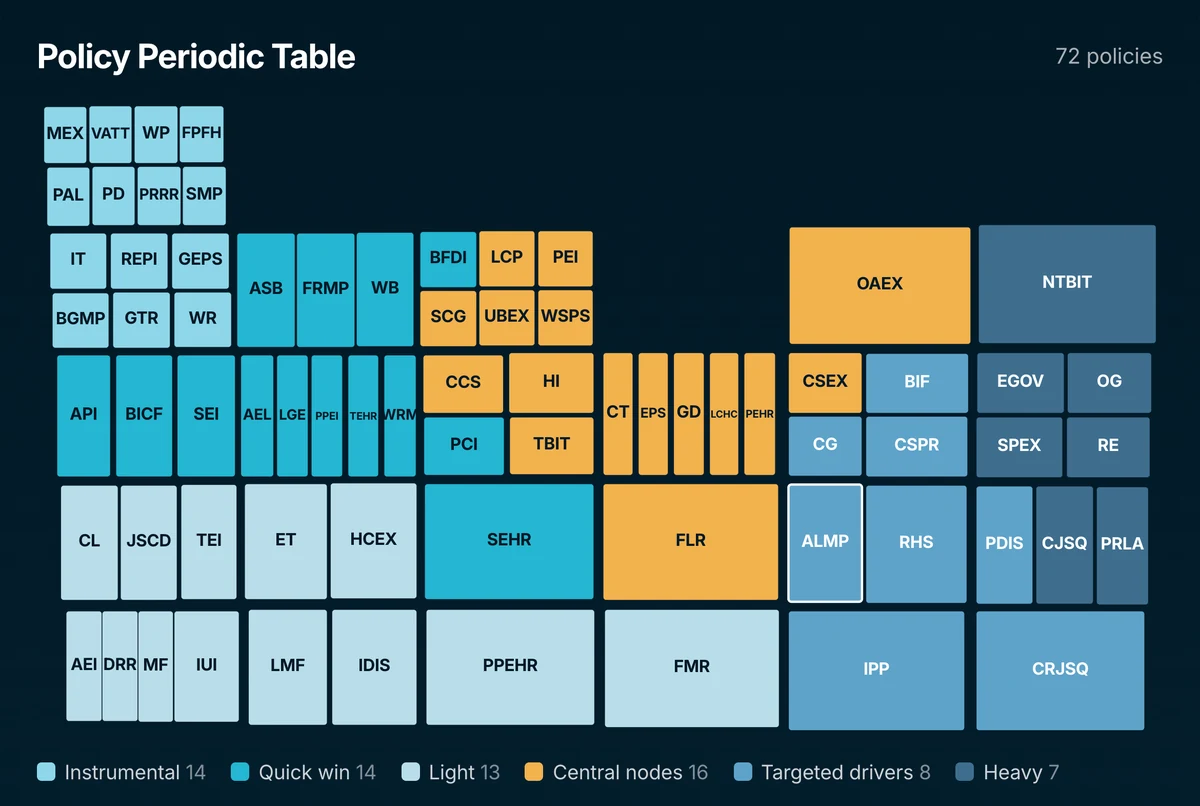
- Policy Periodic TableThe policy instrumentsPolicy instruments classified by the intensity and the spread of their impact, with their conditions of use.See the periodic table
- ConnectorOne mechanism, two scopesThe Whiteshield Connector brings approved Whiteshield knowledge in. The Sovereign Connector keeps the ministry's data and learning inside that ministry.
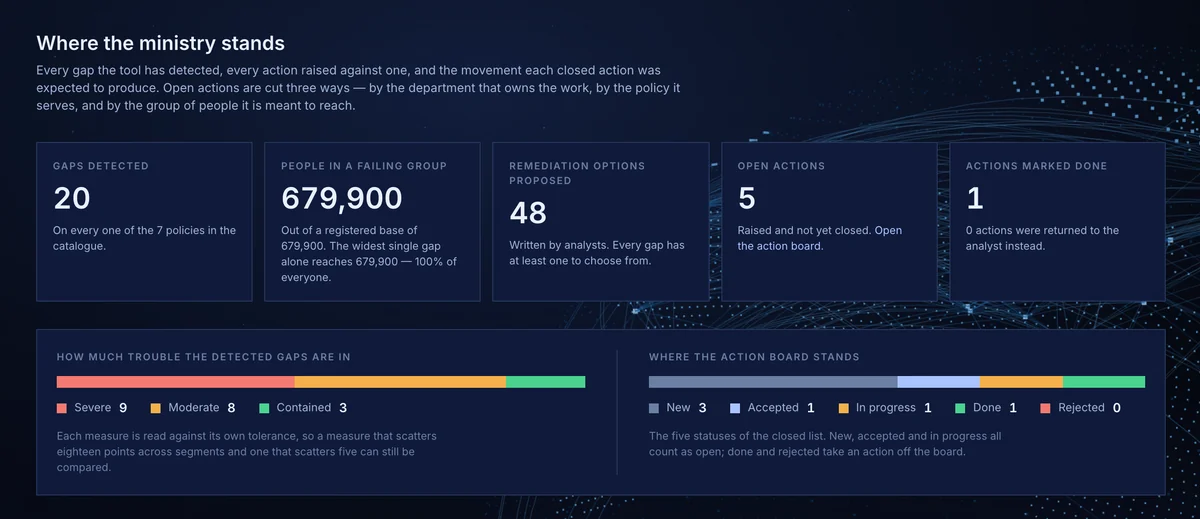
- Outcome LedgerOne shared recordPredictions, decisions, delivery, measured results and full cost, kept apart so that progress can be judged.
What the ministry keeps
Each ministry keeps its data, its authority and its memory. Its learning stays local and is not pooled with other ministries.
- Approved knowledge comes inThe Whiteshield Connector brings in approved Whiteshield knowledge: structured policy data, methods and sourced precedents.
- Ministry learning stays localThe Sovereign Connector is locked to the ministry. Its records and learned patterns stay inside it.
- Each role sees its own partPermissions sit on every record. A minister, a case worker and an analyst each see what their role allows.
Security and sovereignty
- Role-based access on every record
- A full audit trail of every action
- Single sign-on with the government's identity systems
- Deployment on premises, in a sovereign cloud or air-gapped
- Encryption of the data
Data, memory and decisions The ministry keeps all three, inside its own perimeter.
The scientific foundations
The State That Remembers, by Sir Christopher Pissarides and Fadi Farra, opens the Computational Policy research program. Its papers explain why a government must learn while it acts, and keep what it learns.
- 0The State That RemembersA plain-language overview, with Sir Christopher PissaridesWhy governments need an intelligence asset that persists and compounds.
- IComputational Policy and the Memory of GovernmentA Framework for Continuous Institutional LearningA government learns when evidence changes a recorded belief, and that change affects the next decision.
- IIPolicy at the Speed of ComputeEach stage of policy runs on its own clock. Speed without memory is noise delivered faster.
- IIIThe Adaptive StateGovernment Capability, Societal Absorption, and the Joint Production of DevelopmentDevelopment comes from government capability and the capacity of society to absorb change, together.
Papers I to III are working papers by Fadi Farra, July 2026. Read about the article